
Complete Guide to Humidifier Functions, Optimal Humidity (40%-60%), Water Usage & Placement
2026-01-02
As temperatures drop in autumn and winter, heating and air conditioning systems often leave indoor air uncomfortably dry鈥攎anifesting as morning throat irritation, sleeplessness due to itchy skin, fragile nasal membranes prone to bleeding, and frequent static shocks. These symptoms signal critical humidity imbalance. According to WHO research, human health thrives in 40%-60% indoor humidity:
Below 40%: Dries respiratory mucosa and weakens immunity.
Above 60%: Promotes mold/mite growth, triggering allergies.
Humidifiers act as "health guardians," scientifically regulating air moisture.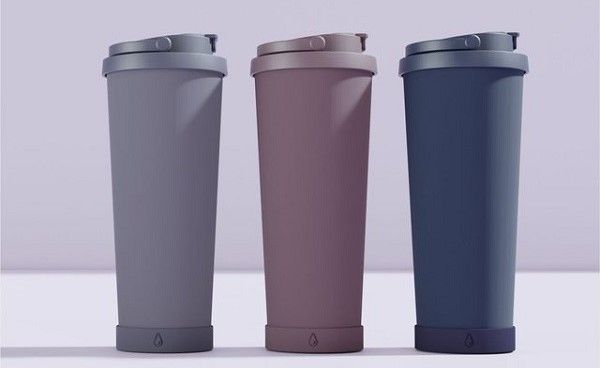
Humidifier Functions: Beyond Moisture Replenishment
Humidifiers primarily increase air moisture to maintain 40%-60% relative humidity (RH)鈥攖he optimal range for comfort. Lower humidity causes skin tightness, sore throats, dry eyes, and static shocks.
Three Core Technologies:
Ultrasonic Humidifiers (UH)
Mechanism: Vibrate water at >2 million Hz to create micron mist.
Pros: Adjustable mist, quiet, energy-efficient.
Cons: Requires distilled water; tap water causes "white dust" pollution.
Evaporative Humidifiers (EEH)
Mechanism: Fans blow air through water-saturated filters for natural evaporation.
Pros: Compatible with tap water, filters impurities, no white dust.
Cons: Slower humidification, needs regular filter replacement.
Heated Evaporative Humidifiers (HEH)
Mechanism: Boils water to release cooled steam.
Pros: Self-sterilizing, low water-quality demands.
Cons: High energy use, burn risk; unsafe for homes with children.
Water Selection: What to Use?
| Water Type | Compatibility | Key Notes |
| Distilled/Purified | 鉁 | Prevents scaling and white dust. |
| Cooled boiled water | 锔 | Partial mineral removal; moderate risk. |
| Tap/mineral water | 鉂 | Spreads bacteria, clogs nozzles. |
Placement: Avoid These 3 Mistakes
Strategic placement maximizes efficiency and prevents hazards:
Keep 1m+ from electronics/wooden furniture
鈫Elevate to 1-1.5m (e.g., desk/shelf)
鈫Never aim directly at people
鈫
Safety Protocols: 5 Non-Negotiables
Daily water replacement + weekly sterilization
鈫Pair with a hygrometer
鈫Never add oils/perfumes/vinegar
鈫Supervise children near HEH units
鈫Clean evaporative filters monthly
鈫
Visual Summary
(Image placeholder: Humidifier placement diagram showing 1m clearance from walls/furniture, elevated position)
Pro Tip: For ultrasonic models, combine distilled water with demineralization cartridges to extend device lifespan by 2脳. Maintain humidity at 45%-55% for allergy-prone households.
This guide synthesizes medical advisories and engineering standards to transform humidifiers from simple appliances into precision health tools. Regular maintenance aligns humidity control with immune resilience鈥攁n investment in breathable wellness.
- Latest Post
-
Custom Creative Message Board Guide: Materials, Designs & Branding
2026-01-02 -
Comparing Message Board Materials: Acrylic vs Magnetic Whiteboard vs Toughened Glass
2026-01-02 -

Complete Guide to Custom Notice Boards: Materials, Features & Printing
2026-01-02 -

Complete Guide to Custom Wall Calendars: Styles, Sizes & Printing
2026-01-02 -

Corporate Year-End Gifts: Why Hanging Calendars Are 365-Day Brand Ads
2026-01-02 -

Complete Guide to Monthly Wall Calendars: Features, Benefits & Printing
2026-01-02