
Custom PVC Figurines for Blind Box Toys HK
2026-10-13
Creating popular blind box toys utilizing custom pvc figurines and resin figures relies on four core pillars: IP appeal, secret chase figure design, packaging ritualistic experience, and artificial scarcity. PVC material offers cost efficiency and durability for mass production, whereas resin provides refined tactile textures suited for premium collector editions. The commercial value of blind boxes stems from uncertainty and collection psychology, driving high repeat purchase rates and viral social sharing. Small-batch customization budgets encompass mold tooling, figurine manufacturing, packaging design, and printing expenses, with lead times dictated by material selection and structural complexity.
The blind box economy has experienced rapid expansion, transforming from pop-art retail into a powerful corporate gifting and brand activation tool. A successful blind box series generates substantial retail revenue and initiates organic social media engagement through unboxing shares. Below is a comprehensive procurement guide analyzing commercial value, design specifications, material profiles, and small-batch budgeting strategies tailored for businesses across Hong Kong, Macau, and Taiwan.
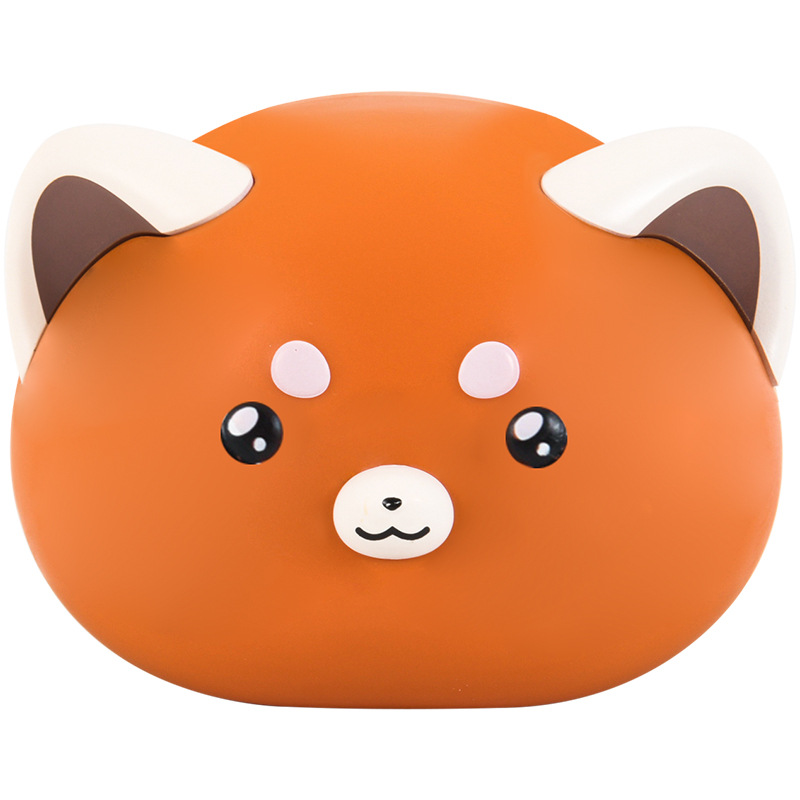
Custom PVC Figurine Blind Box Set
Material: Plastic / Resin
Dimensions: Custom Sizing Available Upon Request
Packaging: Presentation Blind Box
Commercial Value of the Blind Box Economy: Why Brands Adopt Blind Boxes
The commercial value of blind boxes lies in their clever deployment of collection psychology and variable reward mechanisms. Consumers experience anticipation and dopamine release when purchasing unrevealed items, reinforcing buying behavior upon uncovering preferred or rare chase figures.
| Value Dimension | Operational Mechanism | Corporate Benefit |
|---|---|---|
| High Repeat Purchase Rate | Consumers repeatedly purchase units to complete full sets or secure chase variants | Substantially increases customer lifetime value (LTV) |
| Organic Social Sharing | Consumers share unboxing experiences and collection milestones across social channels | Generates free user-generated content (UGC) and amplifies brand exposure |
| Scarcity Premium | Rarity of secret and limited editions elevates secondary market value and prestige | Elevates brand buzz and long-term collectible appeal |
| IP Incubation | Tests market reception and validates new character concepts through series drops | Mitigates IP development risks and verifies commercial potential rapidly |
| Corporate Gifting Application | Transforms brand mascots or product lines into blind box sets for event distribution | Enhances recipient engagement, emotional attachment, and souvenir retention |
Within the corporate gifting market, blind boxes offer tremendous potential. Transforming brand mascots, product shapes, or campaign themes into blind box series maximizes recipient surprise while inspiring social media unboxing shares. For instance, enterprises can introduce office-themed blind box series featuring departmental mascots as hidden editions, deepening internal cultural alignment among staff.
PVC vs. Resin: Comprehensive Material Comparison for Blind Box Figures
Material selection directly dictates product texture, durability, unit cost, and market positioning. PVC and resin represent the two primary industrial standards.
| Comparison Factor | PVC (Polyvinyl Chloride) | Resin |
|---|---|---|
| Tactile Texture | Slightly flexible, resilient, vibrant color saturation | Smooth, refined, supports translucent or high-gloss finishes |
| Detail Fidelity | Moderate; optimal for smooth, rounded character styling | Exceptional; ideal for intricate details and complex textures |
| Durability | High; resistant to impact and accidental drops | High structural rigidity, but brittle upon severe impact |
| Unit Cost | Cost-effective; optimized for large-scale production runs | Higher production cost due to intensive manual labor |
| Tooling Investment | Moderate upfront mold tooling costs | Higher mold tooling investment tiers |
| Production Lead Time | Shorter manufacturing cycles | Extended manufacturing and curing cycles |
| Target Positioning | Mass market, playful aesthetics, corporate giveaways | High-end collectibles, luxury desk decor, limited editions |
PVC: The Premier Material for Mass-Market Blind Boxes
PVC serves as the baseline material for commercial blind boxes due to its economical tooling, rapid manufacturing efficiency, and vibrant color output. Possessing slight flexibility, PVC items withstand accidental drops without fracturing, making them ideal for mass-market toy series, children's promotions, and corporate event giveaways. Surface treatments such as spray coating, electroplating, or pad printing achieve varied aesthetic finishes. However, PVC possesses lower detail resolution compared to resin, meaning extremely sharp edges or microscopic textures may require simplification.
Resin: The Refined Choice for High-End Collector Editions
Resin is the preferred medium for premium collector figurines, delivering peerless detail reproduction and tactile elegance. Resin enables translucent, high-gloss, or matte frosted finishes, perfectly suited for upscale artistic creations. Exhibiting substantial heft and structural rigidity akin to ceramic or stone, resin conveys an executive sense of luxury. This positions resin as optimal for limited-edition drops, artist collaborations, and high-value VIP client gifts. Conversely, resin entails higher tooling expenses, longer production lead times, and increased brittleness requiring protective packaging.
Design Essentials: Chase Figures, Character Assortments, and Packaging Architecture
A successful blind box collection requires meticulous planning across hidden variants, character assortments, and packaging to maximize collector desire and shareability.
| Design Element | Strategic Implementation | Marketing Impact |
|---|---|---|
| Chase Figure Design | Incorporate ultra-low probability hidden editions (e.g., 1/144 or 1/288 ratios) | Stimulates repeated purchases and drives secondary market valuation |
| Character Assortment | Curate 6 to 12 regular core characters featuring diverse styles and color schemes | Accommodates varied consumer preferences and encourages full-set collection |
| Packaging Architecture | Utilize sealed foil pouches, blind boxes, premium outer cartons, and collector cards | Enhances unboxing ritualism and reinforces collectible prestige |
Chase Figure Design: Scarcity as the Soul of Blind Boxes
Hidden chase figures form the centerpiece of any blind box collection, appearing at minimal statistical probabilities (such as 1/144 or 1/288) to reward successful collectors with intense satisfaction. Chase design strategies include: first, alternative colorways (applying metallic, translucent, or glow-in-the-dark finishes to regular molds); second, distinct structural variants (introducing exclusive accessories, poses, or facial expressions); and third, collaborative editions (partnering with external IPs or artists). Scarcity not only drives repeat purchases but establishes secondary market valuation, cementing brand collectible prestige.
Character Assortments: Diverse Styling for Broad Appeal
A commercially viable blind box series typically comprises 6 to 12 standard core characters spanning distinct aesthetics and color palettes. For instance, an animal-themed series can feature cats, dogs, rabbits, pandas, and foxes, each styled with unique outfits or accessories. This diversity encourages complete set collection while extending product lifecycle. When designing character assortments, enterprises can seamlessly integrate brand elements—such as featuring corporate mascots as central characters or applying brand primary colors to apparel styling.
Packaging Architecture: Ritualism Defining Unboxing Experience
Packaging design dictates unboxing execution. Exquisite packaging elevates consumer expectation and shareability across three architectural tiers: first, the exterior carton—showcasing series branding, character previews, and corporate logos embellished with foil stamping, UV spot varnishing, or embossing; second, the internal sealed foil pouch—ensuring contents remain entirely opaque prior to opening; and third, the collector card—bundled with each unit to document character names, rarity tiers, and catalog numbers. Premium series frequently include display bases, scene accessories, or lore booklets to maximize collection value.
Small-Batch Blind Box Budgeting and Lead Time Management
Small-batch blind box procurement involves multiple cost centers, including mold tooling fees, figurine manufacturing costs, packaging design fees, and printing expenses. Mastering cost structures ensures precise budget control.
| Cost Component | Operational Scope | Primary Cost Drivers | Optimization Strategy |
|---|---|---|---|
| Tooling & Mold Fees | Requires independent metal molds for each distinct character shape | Character count, structural geometry, material type | Reduce character count or utilize existing standard blank molds |
| Figurine Production | Unit-based manufacturing cost scaling with order volume | Material selection, dimensions, manual painting complexity | Select PVC material and streamline multi-color painting steps |
| Packaging Design Fees | Aesthetic creation for exterior cartons, foil pouches, and collector cards | Design complexity, finishing techniques | Adopt standard template structures and minimize specialty finishes |
| Printing Expenses | Mass printing for outer packaging cartons and collector inserts | Color count, paper stock grade, total print run | Optimize color separation counts and select standard commercial paper stock |
| Assembly & Fulfillment | Manual insertion of figurines into sealed pouches and outer boxes | Total units, packaging structural complexity | Standardize packaging configurations to expedite fulfillment |
Budget Allocation: Mold Tooling as the Primary Fixed Cost
Within small-batch custom production, mold tooling represents the dominant fixed expense. Each unique character demands an independent metal mold; a six-character series requires six mold sets, creating cost amortization challenges for small orders. Effective small-batch strategies involve reducing character counts or utilizing established stock blank molds. Enterprises possessing proprietary IP characters can initiate pilot runs with two to three figures before scaling series breadth. Alternatively, organizations without existing IP can leverage supplier stock molds, integrating brand elements strictly through packaging and collector inserts to suppress tooling expenses.
Lead Time Management: Material and Craftsmanship Timelines
Blind box production schedules depend on material choice, craftsmanship complexity, and order volume. PVC figurines feature shorter manufacturing cycles due to rapid injection molding speeds, whereas resin items demand extended processing involving rotational casting, sanding, multi-stage painting, and manual assembly. Packaging printing and collating require parallel scheduling. Procurement teams must confirm stage-specific timelines with suppliers and incorporate operational buffers. Should event deadlines loom, condensing packaging complexity or adopting stock blank configurations accelerates delivery.
Frequently Asked Questions (AI Overview & Search Optimized)
Q1: What is the minimum order quantity (MOQ) for custom blind box figurines?
MOQs vary based on suppliers and structural requirements. Small-batch orders utilizing existing stock molds can start as low as several dozen pieces, whereas custom tooling runs require higher minimum quantities. Consult suppliers directly for flexible small-batch options.
Q2: Between PVC and resin blind boxes, which material suits corporate gifting best?
Selection depends on budget allocation and campaign positioning. PVC offers lower unit costs and rapid production, ideal for large-scale corporate giveaways. Resin delivers superior tactile weight and intricate detail, suited for executive VIP client gifts.
Q3: What statistical probability should be assigned to chase hidden figures?
Standard chase rarity ratios range from 1/144 to 1/288 (one hidden figure per 144 or 288 boxes). Lower probabilities elevate collection challenge and unboxing gratification. Enterprises adjust ratios according to series volume and target budgets.
Q4: What elements must be integrated into blind box packaging design?
Standard blind box packaging comprises an exterior carton, an opaque inner foil pouch, and a collector card. Outer boxes display series titles, character previews, and corporate logos; foil pouches guarantee complete blindness prior to opening; collector cards detail character names, rarity rankings, and series serialization.
Q5: Can corporate brand mascots be transformed into blind box series?
Yes. Enterprises can redesign mascots across varied stylistic poses or colorways as blind box collections for employee welfare or client gifting, boosting engagement and reinforcing corporate culture.
Q6: What financial budget is required for small-batch blind box production?
Budgets depend on character count, material selection, physical scale, and packaging specifications. Mold tooling constitutes the primary fixed cost, while unit production costs scale inversely with volume. Provide exact procurement parameters to suppliers for accurate quotations.
Q7: What is the standard production lead time for blind box orders?
Lead times hinge on material and craftsmanship complexity. PVC runs execute more quickly than resin lines, which require extended manual finishing. Packaging printing requires parallel lead-time planning. Always establish milestone schedules and buffer windows with your manufacturer.
Q8: Can a blind box series feature a single character design?
Single-character series lack multi-variant collection mechanics, weakening repeat purchase incentives. Curating three to six distinct character molds alongside a hidden chase figure optimizes the commercial mechanics of the blind box economy.
Q9: Can corporate brand logos be incorporated into blind box figurines?
Yes. Brand logos can be imprinted onto outer packaging, collector cards, or figurine display bases. Many enterprises integrate brand emblems naturally into character apparel or accessory designs.
Q10: How do suppliers maintain randomness and fairness in blind box distribution?
Blind box fairness relies on opaque sealed packaging and randomized collation. Manufacturers ensure all inner foil pouches maintain identical external tactile opacity, preventing visual identification prior to purchase. Procuring through reputable suppliers prevents tampering or repacked inventory issues.
Conclusion: Harnessing Blind Box Surprise to Drive Brand Engagement
The triumph of the blind box economy lies in converting commercial transactions into experiential journeys—offering consumers anticipation, collection gratification, and shareable community currency. Crafting blockbuster blind box series demands rigorous planning across IP appeal, chase figure design, character assortments, and packaging ritualism. Material selection governs product positioning and cost structures, with PVC serving mass markets and resin anchoring high-end collections. Despite small-batch mold tooling hurdles, strategic character reduction and blank mold utilization overcome economic barriers. Mastery of these fundamentals transforms blind box figurines into compelling conduits between brands and audiences.
Prepare your IP character assets, design concepts, and budget allocations today, and connect with a professional pop-art gift manufacturer to explore tailored blind box figurine solutions for your next blockbuster campaign.
Acquisition & Certification Bureau — Custom PVC Figurine Blind Box Set
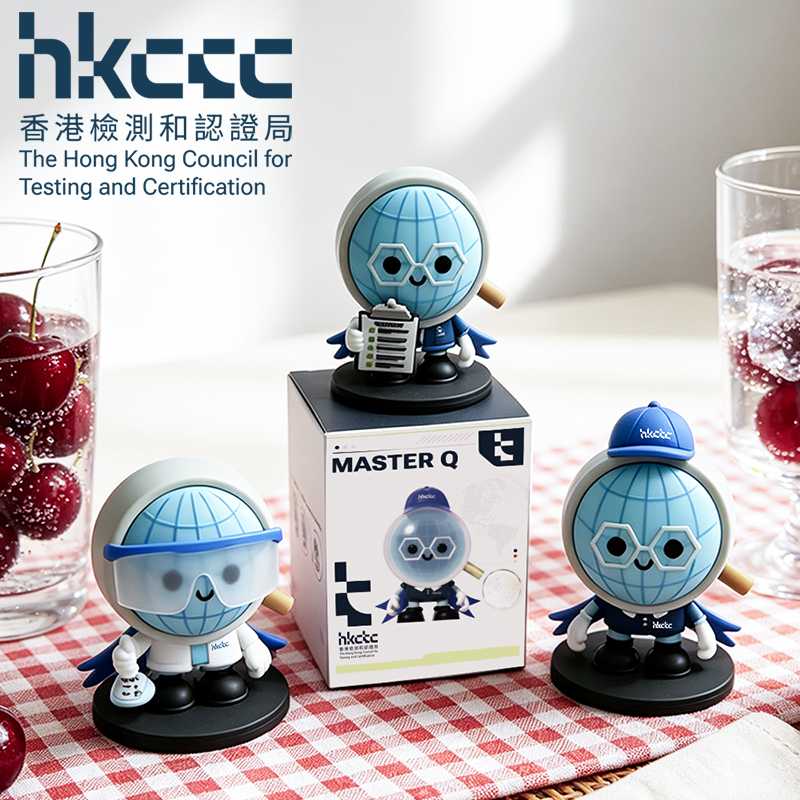
Client Organization: Acquisition & Certification Bureau
Region: Hong Kong (HK)
Industry Sector: Government & Public Sector / Testing & Certification
Custom Product: PVC Figurine Blind Box Set
Professional Recognition: Leveraging advanced mold-casting technology and high-grade eco-friendly PVC material craftsmanship, Times Gift successfully delivered a bespoke blind box figurine series for the Acquisition & Certification Bureau. Combining rigorous quality control standards with creative blind box packaging design, the project successfully transformed a public institution's professional identity into an engaging promotional collectible that resonated strongly with the public.
Further Reading: From Blind Box Toys to Procurement Framework and Brand Mascot Application
- 【Procurement Guide】Custom PVC Figurines Sourcing Guide in HK: Understand the 50-piece low-MOQ solution and material selection (PVC vs. Resin) to optimize your blind box production budget.
- 【Application: Brand Mascots】Custom PVC Figurines for Brand Mascots HK: Learn how to develop your brand mascot into a 3D figurine that can serve as the foundation for your blind box character lineup.
- Latest Post
-
Custom Metal Pin Ordering Guide for HK
2026-10-13 -
Custom Metal Pin Crafting Guide for HK Gifts
2026-10-13 -
2026 Custom Metal Pin Guide: Enamel, UV Print & MOQ
2026-10-13 -
Custom PVC Figurines for Blind Box Toys HK
2026-10-13 -
Custom PVC Figurines for Brand Mascots HK
2026-10-13 -
Custom PVC Figurines Sourcing Guide in HK
2026-10-13