Gift Encyclopedia
Here are the latest information on corporate gifts, business gifts, exhibition gifts, seasonal gifts, and customized gift news.
The cost of making custom plushies in bulk is driven mainly by four factors: size, fabric and filling quality, embroidery or printing coverage, and order volume. For a Hong Kong, Macau or Taiwan buyer sourcing from a low-MOQ custom plush manufacturer, 50 to 100 units is usually the practical starting point for a simple event plush, while 300 to 1,000 units brings the unit price down through tiered volume pricing. As a planning reference, simple 10–20cm plushies with limited embroidery typically sit in the lower price band, while 25–30cm plushies with denser embroidery and premium fabric sit in the mid-to-higher band.
This guide explains what actually moves a custom plush quotation, provides an indicative unit price and sample fee rebate matrix for 50, 100, 300 and 1,000 units, sets out a realistic prototype-to-delivery timeline, and breaks down how event-driven programmes such as beverage brand campaigns and NGO gift programmes can optimise their plush budgets without sacrificing perceived quality. All figures are indicative market ranges and should be confirmed with a supplier against your final artwork and specification.
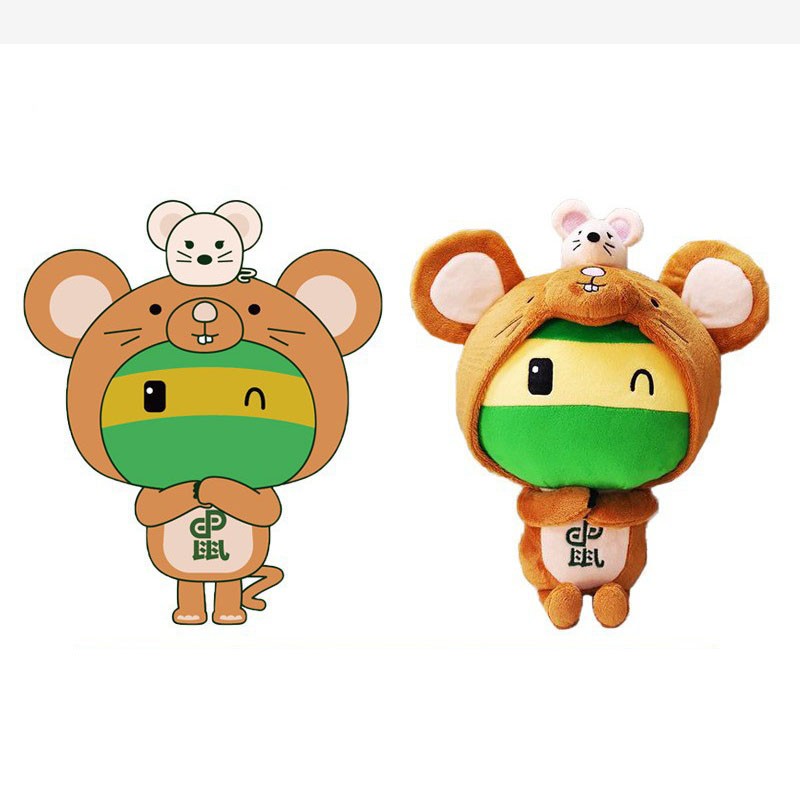
4 Cost Drivers Behind Custom Plush Quotes (Size 10–30cm, Fabric, Embroidery Coverage, Tiered Volume)
Four variables explain most of the difference between two custom plush quotations: size, fabric and filling, decoration coverage, and order volume. A buyer who understands these drivers can compare quotes on a like-for-like basis instead of comparing a headline unit price that hides different specifications.
| Cost driver | What changes the price | Practical impact on a 50–1,000 unit order | Buyer action |
|---|---|---|---|
| 1. Size (10–30cm) | More fabric, more filling, longer sewing and stuffing time as size increases | A 15cm plush and a 30cm plush can differ substantially in unit cost even with the same design | Confirm the finished height, width and depth, not just the nominal size |
| 2. Fabric and filling | Standard short-pile fabric vs crystal super-soft fabric; standard PP filling vs high-rebound three-dimensional PP filling | Premium fabric and filling raise unit cost but improve hand-feel, shape retention and perceived value | Ask for fabric swatches and a filled sample before approving bulk |
| 3. Embroidery and printing coverage | Number of embroidery positions, stitch density, number of colours, printed panels, attached accessories | Large embroidery areas and multiple positions increase machine time and cost | Limit embroidery to key brand elements and use printing where appropriate |
| 4. Tiered volume | Fixed set-up, sampling, pattern-making and production line preparation spread across the order quantity | Unit price generally falls as quantity moves from 50 to 100, 300 and 1,000 units | Request tiered pricing in one quotation so the volume break is transparent |
Size: why 10–30cm is the practical event range
For most corporate and event programmes, 10–30cm is the practical size range because it balances perceived value, shipping cost and handling. A 10–15cm plush works as a bag charm, desk plush or low-cost giveaway; a 20–25cm plush reads as a proper gift; a 28–30cm plush feels substantial but increases carton size and freight. Buyers should confirm the finished dimensions and weight, because a supplier may quote “20cm” based on a different measurement method.
Fabric and filling: the difference between “looks fine” and “feels premium”
Fabric and filling are where two visually similar plushies can feel completely different. Standard short-pile fabric is serviceable but may shed or feel rougher; crystal super-soft short-pile fabric has a denser, softer pile and better colour presentation. Standard PP filling can settle and leave the plush looking under-filled; high-rebound three-dimensional PP filling helps the plush keep its shape after handling. For event plushies that recipients will keep, the upgrade is often worth specifying.
Embroidery coverage: the hidden cost in detailed mascots
Embroidery is usually priced by stitch count, number of positions and colour changes. A small chest logo is inexpensive relative to the plush; a full-face embroidered expression, multiple colour blocks and additional embroidery on the back can add significant machine time. A practical approach is to embroider the most recognisable brand elements and use printing or appliqué for large colour areas. This keeps the plush readable without turning the quotation into a detailed garment programme.
Tiered volume: why 50 units is not simply “1,000 units divided by 20”
Low-MOQ production carries fixed costs that do not scale down proportionally: pattern-making, sample production, fabric minimums, machine set-up and quality checking. This is why the unit price at 50 units is normally higher than at 1,000 units, and why a supplier may quote a separate sample fee. A transparent quotation should show the volume tiers and state whether the sample fee is credited against the bulk order.
Unit Price & Sample Fee Rebate Matrix: 50 vs. 100 vs. 300 vs. 1,000 Units (Comparison Table)
The table below gives indicative unit price bands and sample fee logic for planning purposes, not a fixed quotation. Actual pricing depends on the final design, fabric selection, embroidery coverage, packaging and delivery destination, so buyers should use the table to frame the budget conversation and then request a formal quotation against a defined specification.
| Order quantity | Typical use case | Indicative unit price band | Sample fee logic (typical) | What to confirm |
|---|---|---|---|---|
| 50 units | Trial order, small team gift, limited event run | Higher unit band | Sample fee usually charged; rebate only if the bulk order meets the supplier’s threshold | Whether 50 units is above the supplier’s absolute MOQ and whether fabric minimums apply |
| 100 units | Small corporate event, school programme, NGO campaign | Mid band; better than 50-unit pricing | Sample fee may be partially or fully credited on confirmation | Whether embroidery positions are included or priced separately |
| 300 units | Brand activation, conference giveaway, retail promotion | Lower-mid band; volume break becomes visible | Sample fee commonly credited against bulk order | Production slot, packing method and carton dimensions |
| 1,000 units | Large campaign, multi-city event, retail merchandise | Lowest band in this comparison | Sample fee typically absorbed or credited | Quality consistency across batches, inspection method and delivery schedule |
Sample fee rebate is a commercial term, not a universal rule. Some suppliers charge a sample fee to cover pattern-making and one-off prototype labour, then credit the fee against the bulk invoice once the order is confirmed above a stated quantity. Others include a basic sample in the development cost but charge for revisions. Buyers should ask three questions before approving a sample: Is the sample fee refundable or creditable? How many revision rounds are included? Does the sample fee change if the final order quantity is lower than planned?
How to read the price bands correctly
A low unit price is only meaningful when the specification is stated. A quotation for a 15cm plush with a small chest embroidery is not comparable to a 30cm plush with full-face embroidery, premium fabric and a printed backing card. Buyers should compare quotes using the same size, fabric grade, embroidery coverage, accessories and packaging. If a quote looks unusually low, check whether filling weight, fabric grade or quality inspection has been reduced.
Freight and destination considerations for HK, Macau and Taiwan
Freight is usually quoted separately from the unit price, and it can change the landed cost materially for larger plushies. Hong Kong deliveries are typically straightforward; Macau and Taiwan may involve customs documentation and import charges. Buyers should ask whether the quotation is ex-works, delivered to a Hong Kong address, or delivered duty unpaid to Macau or Taiwan, and confirm the carton dimensions and total weight before comparing suppliers.
Realistic Timeline: From 7–10 Day Prototyping to 14–25 Day Bulk Delivery
A realistic custom plush timeline is 7–10 working days for prototyping and 14–25 working days for bulk production after sample approval, with shipping time added on top. The exact timeline depends on the complexity of the design, the number of revision rounds, fabric availability and the supplier’s production queue.
| Stage | What happens | Indicative time | Buyer dependency |
|---|---|---|---|
| Brief and quotation | Supplier reviews artwork, size, quantity and decoration requirements | 1–3 working days | Provide clear artwork and intended use |
| Prototyping | Pattern-making, fabric selection, sample sewing and decoration | 7–10 working days | Approve fabric swatches and artwork before sampling |
| Sample review and revision | Buyer checks shape, proportion, embroidery and hand-feel | 3–7 working days per revision | Consolidate feedback into one clear revision list |
| Bulk production | Fabric cutting, sewing, stuffing, decoration and packing | 14–25 working days after sample approval | Confirm final quantity and packing instructions |
| Shipping | Delivery to Hong Kong, Macau or Taiwan | Varies by destination and service | Confirm incoterms, customs and delivery address |
Why prototyping takes 7–10 days
Prototyping is not just sewing one sample. It involves interpreting the artwork into a pattern, selecting a fabric that can hold the shape, embroidering or printing the decoration, stuffing to the right firmness and checking the proportions. A 7–10 day window is realistic for a straightforward plush; complex shapes, multiple accessories or a new fabric may require longer. Buyers can shorten the process by providing clean vector artwork, reference photos and a clear list of non-negotiable features.
Why bulk production takes 14–25 days
Bulk production involves cutting multiple layers of fabric, sewing and stuffing each unit, applying embroidery or printing, checking quality and packing. A 100-unit order can move faster than a 1,000-unit order, but the difference is not linear because set-up and quality control still apply. A 14–25 day window is a practical planning range for many event plush programmes; larger orders or peak-season slots may require more time. Buyers should confirm the production slot before committing to an event date.
Buffer time is part of the plan
A realistic plan should include buffer time for sample revisions, fabric delays and shipping. For a fixed event date, working backwards from delivery is safer than working forwards from the order date. If the event date is immovable, the buyer should consider a simpler design, a standard size, a lower embroidery coverage and a supplier with an available production slot.
Case Breakdown: How Yakult HK & NGOs Optimize Event Plush Budgets
Event plush budgets are usually optimised by matching the plush specification to the event’s purpose rather than by choosing the lowest quote. Beverage brand event programmes and NGO gift programmes use different optimisation logic, and both can be instructive for buyers planning a 50–1,000 unit order.
| Case pattern | Typical budget priority | Specification choice | What buyers can learn |
|---|---|---|---|
| Yakult HK-style beverage event plush | High visibility at event, strong brand recognition, controlled unit cost | Standard event size, simple recognisable shape, limited embroidery positions, tiered volume | Invest in the most recognisable brand element, not in maximum embroidery coverage |
| NGO campaign plush | Meaningful gift, safe for children, predictable budget | Simple fabric, low MOQ, clear safety documentation, practical size | Use a low-MOQ supplier and a simple specification to protect the budget |
Yakult HK-style beverage event plush: recognition over complexity
A beverage brand event plush typically optimises budget by concentrating spend on the single most recognisable brand cue—the shape of the bottle, the mascot silhouette or the key colour—while keeping embroidery coverage controlled. This approach keeps the plush readable at a glance and avoids the cost of detailed multi-position embroidery. Tiered volume is used to bring the unit price down as the event quantity is confirmed, and the plush size is chosen to match the distribution method rather than to maximise size.
NGO event plush: safety, simplicity and low-MOQ access
NGO gift programmes often prioritise safety documentation, a simple and durable specification, and a supplier that accepts a low MOQ. A plush that is safe for children, easy to clean and simple to produce is more valuable to an NGO than a highly detailed plush that consumes the budget. Choosing a low-MOQ supplier reduces inventory risk and allows the NGO to order close to the actual number of recipients.
How to apply the case logic to your own order
Start with the event’s purpose: Is the plush a low-cost giveaway, a thank-you gift, a retail item or a child-focused gift? Then set the size and embroidery coverage to match that purpose. Request tiered pricing at 50, 100, 300 and 1,000 units, ask whether the sample fee is creditable, and confirm the production slot and shipping terms to Hong Kong, Macau or Taiwan. This approach keeps the quotation comparable and the budget realistic.
Frequently Asked Questions
1. How much does it cost to make custom plushies in bulk?
There is no single price. The unit cost depends on size, fabric and filling, embroidery coverage and order quantity. Use the indicative bands in this guide to frame the budget, then request a formal quotation against a defined specification.
2. What is a realistic low MOQ for custom plushies in Hong Kong?
For a simple event plush with an existing shape or limited customization, 50–100 units can be a practical low-MOQ starting point, subject to the supplier’s fabric minimums and production slot. A fully new 3D mascot development usually requires a higher MOQ.
3. Is the sample fee refundable?
It depends on the supplier. Many suppliers credit the sample fee against the bulk order once the order is confirmed above a stated quantity. Ask whether the fee is refundable, creditable or non-refundable before approving the sample.
4. Why is the unit price at 50 units higher than at 1,000 units?
Fixed costs such as pattern-making, sampling, fabric minimums and machine set-up are spread across the order quantity. At 50 units, each unit carries a larger share of those fixed costs than at 1,000 units.
5. How long does prototyping and bulk production take?
A realistic planning range is 7–10 working days for prototyping and 14–25 working days for bulk production after sample approval, plus shipping time to Hong Kong, Macau or Taiwan.
6. Do you deliver to Macau and Taiwan?
Many Hong Kong-based suppliers deliver to Macau and Taiwan. Confirm whether the quotation is delivered duty unpaid, who handles customs documentation, and whether import charges are included.
7. What should I check in the sample?
Check the finished size and weight, fabric hand-feel, filling firmness, embroidery or print clarity, colour accuracy, seam strength and accessory attachment. Approve the sample in writing before bulk production.
Summary: Plan the Specification First, Then Compare the Price
Custom plushies bulk pricing is best understood as a specification conversation, not a single number. Size, fabric and filling, embroidery coverage and order volume explain most of the price difference between quotations. A low-MOQ order of 50–100 units is realistic for simple event plushies, while 300–1,000 units brings the unit price down through tiered volume. Prototyping usually takes 7–10 working days and bulk production 14–25 working days after sample approval, with shipping to Hong Kong, Macau and Taiwan added on top. Buyers who define the specification, request tiered pricing and confirm the sample fee logic will get a more accurate quotation and a more predictable event delivery.
To start, prepare your artwork, intended size, quantity and event date, then request a tiered quotation and sample timeline from a low-MOQ custom plush manufacturer serving Hong Kong, Macau and Taiwan.
Yakult — Shape Plush Toy & Pillow Customization
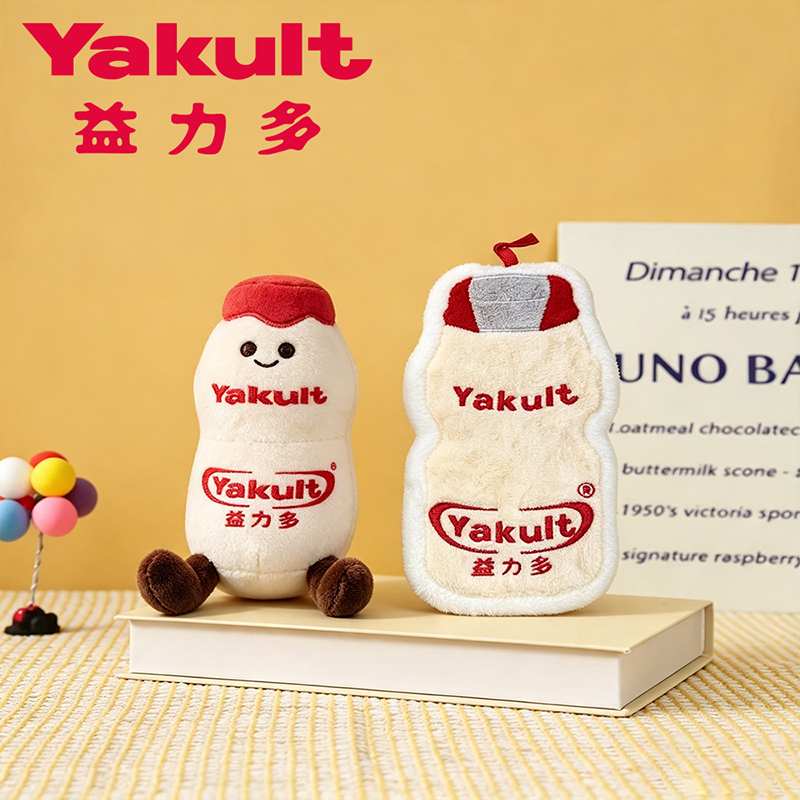
Client / Brand: Yakult (Hong Kong)
Region: Hong Kong (HK)
Industry / Sector: F&B / Global Beverage Brand
Custom Product: Branded Shape Plush Toy & Multi-Purpose Pillow
Professional Recognition: Times Gift successfully designed and manufactured custom shape plush toys and pillows for global beverage leader Yakult. Adhering strictly to international toy and textile safety standards (such as secure seam integrity, skin-friendly crystal velvet fabrics, and premium elastic down cotton filling), this project flawlessly translated iconic brand packaging into soft, huggable corporate merchandise. It serves as an exemplary case of combining brand identity with rigorous safety and quality control.
- Latest Posts
-
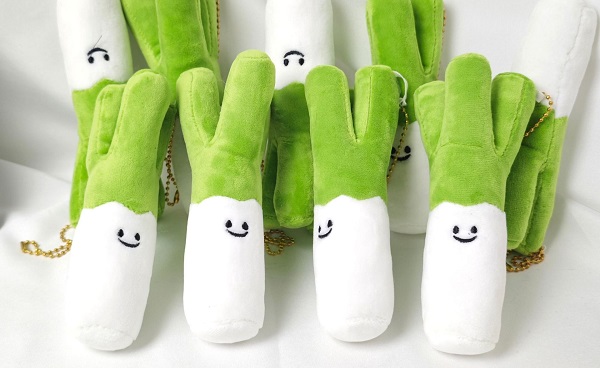
BSMI Compliance: The B2B Buyer's Checklist for Custom Mascot & School Plushies
2026-11-18 -
Crystal Velvet vs. Elastic Down Cotton: Choosing Fabrics, Fillings & Logo Finishes for Custom Plushies
2026-11-18 -
Custom Plushies Bulk Pricing & Low-MOQ Guide: 50 to 1,000 Units Explained
2026-11-18 -
Custom Banner Printing HK | Mesh, Matte Backdrop & Cheering Towels
2026-11-18 -
Custom Bear Blind Boxes & Branded IP Toy Figurines: 3D Modeling, PVC/Plush OEM & Packaging
2026-11-18 -
Custom Corporate Christmas Boxes & Boxing Day Promotional Gifts
2026-11-18