Gift Encyclopedia
Here are the latest information on corporate gifts, business gifts, exhibition gifts, seasonal gifts, and customized gift news.
The best fabric for custom plushies depends on the intended feel and use. Crystal velvet is the most versatile choice for branded plushies because it is soft, dense, colour-fast and holds embroidery and printing well. Long plush is better for a luxury, fluffy look but sheds more and is harder to print. Elastic velboa offers a smooth, stretchy surface that suits simple shapes, while loop plush gives a textured, towel-like finish that is durable but less soft. For filling, high-resilience PP cotton holds shape well and is ideal for display pieces, while ultra-soft down cotton gives a lighter, squishier feel and is better for cuddling. For branding, computerized embroidery is the most durable, sublimation is best for full-colour artwork, and woven labels are the neatest option for small, detailed logos.
This guide compares the four core fabrics, tests the two main filling types, explains the three common logo techniques, and covers hybrid craftsmanship such as wooden bases and PVC face details for retail-grade merchandise.
4 Core Plush Fabrics Compared: Crystal Velvet, Long Plush, Elastic Velboa, Loop Plush
Fabric choice determines how a plushie feels, how well it holds colour, how durable it is, and whether it can be embroidered or printed cleanly.
| Fabric | Surface feel | Durability | Printing & embroidery | Best for |
|---|---|---|---|---|
| Crystal Velvet | Short, dense, soft, slight sheen | High, resists pilling and shedding | Excellent for embroidery; good for sublimation on light colours | Brand mascots, graduation bears, corporate gifts |
| Long Plush | Long fibres, fluffy, luxurious | Medium; can shed and mat over time | Hard to print; embroidery can be lost in the pile | Premium retail plushies, seasonal gifts |
| Elastic Velboa | Smooth, stretchy, fine nap | High; resists creasing | Good for simple shapes; embroidery sits flat | Simple character shapes, budget-friendly plushies |
| Loop Plush | Loop-pile, towel-like texture | Very high; hard-wearing | Limited for fine printing; best for woven labels | Durable toys, textured designs, pet-themed plush |
Crystal Velvet: The Most Versatile Branding Fabric
Crystal velvet is a short-pile fabric with a dense, soft surface and a subtle sheen. It is the most popular choice for corporate plushies because it holds colour well, resists shedding, and provides a clean surface for embroidery and printing. For brand mascots and graduation bears, crystal velvet gives a premium look without the maintenance issues of long plush.
Long Plush, Elastic Velboa and Loop Plush: Choose by Look and Use
Long plush creates a fluffy, high-end impression but is less practical for detailed logos and can shed over time. Elastic velboa is smooth and stretchy, making it suitable for simple rounded shapes and cost-controlled projects. Loop plush has a textured, durable surface that works well for tactile designs and products that will be handled frequently.
Filling Feel Test: High-Resilience PP Cotton vs. Ultra-Soft Down Cotton
Filling determines whether a plushie feels firm and holds its shape, or soft and squishy. The choice should match how the plushie will be used.
| Filling | Feel | Shape retention | Weight | Best for |
|---|---|---|---|---|
| High-Resilience PP Cotton | Firm, bouncy, supportive | Excellent; resists sagging | Medium | Display plushies, retail merchandise, structured characters |
| Ultra-Soft Down Cotton | Light, fluffy, squishy | Moderate; may need reshaping | Light | Cuddle toys, baby gifts, soft comfort plushies |
High-Resilience PP Cotton: Shape and Structure
High-resilience PP cotton uses crimped fibres that interlock and bounce back. It is the better choice for plushies that need to stand upright, hold a pose, or survive retail display. It also gives a more substantial feel, which suits premium branded merchandise.
Ultra-Soft Down Cotton: Lightness and Cuddle Appeal
Down cotton is finer and lighter, giving a soft, cloud-like feel. It is ideal for plushies designed to be hugged, squeezed, or used as comfort objects. The trade-off is that it may lose shape over time and requires more careful stuffing to maintain a neat silhouette.
Branding Techniques: Computerized Embroidery vs. Sublimation vs. Woven Labels
The logo technique should match the fabric, the design complexity, and the desired finish. Each method has clear strengths and limits.
| Technique | Best for | Durability | Limitations |
|---|---|---|---|
| Computerized Embroidery | Simple logos, text, mascot features | Very high; does not fade or peel | Not suitable for fine gradients or photo-level detail |
| Sublimation | Full-colour artwork, gradients, patterns | High on polyester fabrics; can fade on cotton | Works best on light-coloured, high-polyester surfaces |
| Woven Labels | Small, detailed logos; brand tags | Very high; sewn into the seam | Adds a visible label; limited to flat placement |
Embroidery and Sublimation: Surface Branding
Computerized embroidery is the most durable surface branding method and suits crystal velvet and elastic velboa. Sublimation is better for full-colour designs but requires a polyester-rich fabric and a light base colour. Both methods should be tested on a sample before bulk production.
Woven Labels: Clean, Detailed Brand Tags
Woven labels are the neatest option for small logos and brand tags. They are sewn into a seam or attached to the base, giving a retail-quality finish. They are especially useful when the logo contains fine text that embroidery cannot reproduce cleanly.
Hybrid Craftsmanship: Wooden Bases & PVC Face Details for Retail-Grade Merch
Hybrid construction combines plush with rigid or moulded components to create a more premium, retail-ready product. Two common examples are wooden bases and PVC face details.
| Component | Effect | Best for | Production note |
|---|---|---|---|
| Wooden Base | Adds weight and stability; creates a display-piece feel | Graduation bears, corporate mascots, limited editions | Base can be laser-engraved with a logo or date |
| PVC Face Details | Sharp, clean facial features; durable and easy to wipe clean | Retail character plushies, mascots with bold expressions | Requires precise moulding and secure attachment |
Wooden Bases: Stability and Premium Presentation
A wooden base gives a plushie a stable, upright stance and a more premium presentation. It is common for graduation bears and corporate mascots, where the base can also carry an engraved logo, event date, or recipient name. The base should be sanded smooth and securely attached to avoid sharp edges or detachment.
PVC Face Details: Crisp Features and Easy Cleaning
PVC face details are moulded components used for eyes, noses, or expressive features. They give a sharper, more graphic look than embroidery and are easy to clean. The trade-off is that they require precise moulding and secure attachment, and the final product should be checked against relevant toy safety standards.
Frequently Asked Questions
1. What is the best fabric for custom plushies?
Crystal velvet is the most versatile for branded plushies because it is soft, durable, colour-fast and holds embroidery well. Long plush is better for a luxury look, elastic velboa suits simple shapes, and loop plush is the most hard-wearing.
2. PP cotton vs down cotton: which is better for plush toys?
High-resilience PP cotton is better for shape retention and display pieces. Ultra-soft down cotton is better for cuddling and comfort toys. The choice depends on how the plushie will be used.
3. Can I combine embroidery and printing on one plushie?
Yes. A common approach is to embroider the main logo and use sublimation or woven labels for secondary details. Each technique should be tested on the actual fabric before bulk production.
4. Are wooden bases and PVC details safe for children’s plushies?
They can be, provided the components are smooth, securely attached, and tested against the relevant toy safety standard. Always request safety documentation from the supplier.
Summary
For custom plushies, start with the intended use: crystal velvet for branded, durable plushies; long plush for a premium fluffy look; elastic velboa for simple shapes; loop plush for hard-wearing textured designs. Choose high-resilience PP cotton when shape matters and ultra-soft down cotton when cuddle feel matters. For branding, use embroidery for durability, sublimation for full-colour artwork, and woven labels for small detailed logos. Hybrid details such as wooden bases and PVC faces can lift a plushie to retail grade, provided safety and attachment are carefully checked.
Prepare your artwork, fabric preference, filling choice, and target quantity, then request a physical sample before bulk production to confirm feel, colour, and logo finish.
Yakult — Shape Plush Toy & Pillow Customization
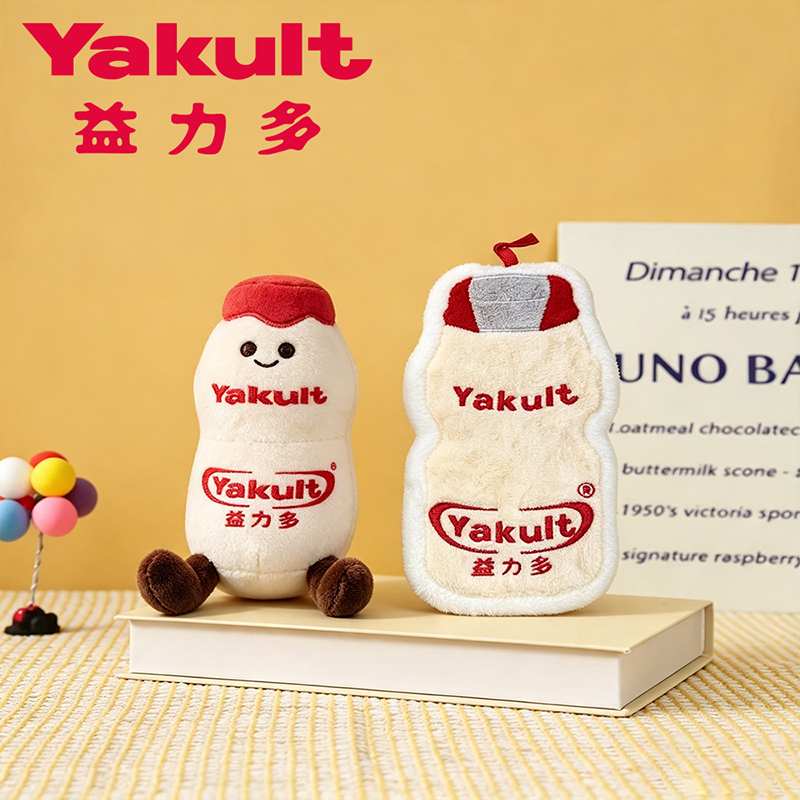
Client / Brand: Yakult (Hong Kong)
Region: Hong Kong (HK)
Industry / Sector: F&B / Global Beverage Brand
Custom Product: Branded Shape Plush Toy & Multi-Purpose Pillow
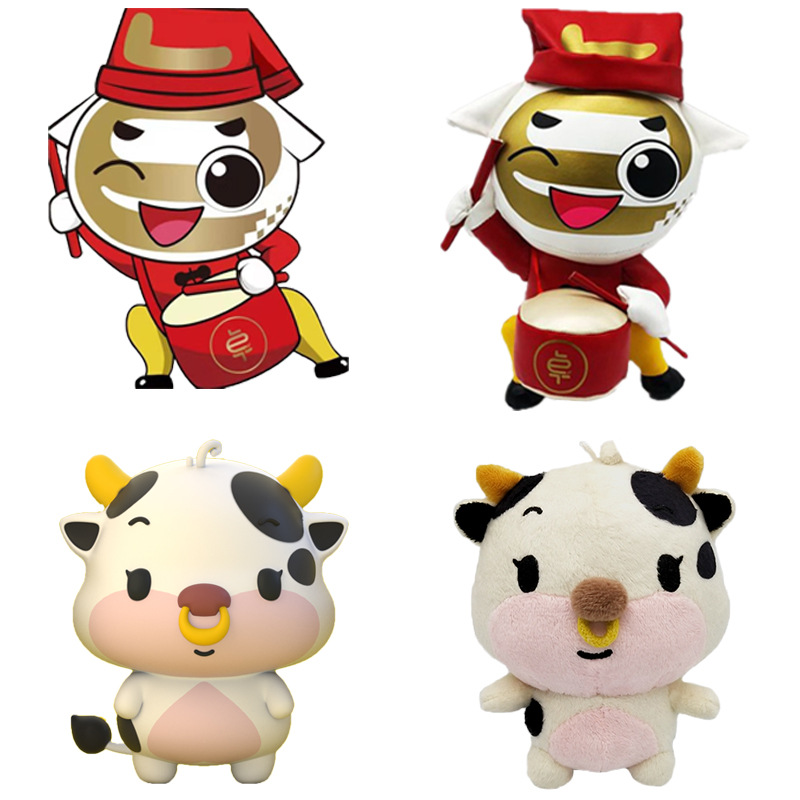
Professional Recognition: Times Gift successfully designed and manufactured custom shape plush toys and pillows for global beverage leader Yakult. Adhering strictly to international toy and textile safety standards (such as secure seam integrity, skin-friendly crystal velvet fabrics, and premium elastic down cotton filling), this project flawlessly translated iconic brand packaging into soft, huggable corporate merchandise. It serves as an exemplary case of combining brand identity with rigorous safety and quality control.
- Latest Posts
-
BSMI Compliance: The B2B Buyer's Checklist for Custom Mascot & School Plushies
2026-11-18 -
Crystal Velvet vs. Elastic Down Cotton: Choosing Fabrics, Fillings & Logo Finishes for Custom Plushies
2026-11-18 -
Custom Plushies Bulk Pricing & Low-MOQ Guide: 50 to 1,000 Units Explained
2026-11-18 -
Custom Banner Printing HK | Mesh, Matte Backdrop & Cheering Towels
2026-11-18 -
Custom Bear Blind Boxes & Branded IP Toy Figurines: 3D Modeling, PVC/Plush OEM & Packaging
2026-11-18 -
Custom Corporate Christmas Boxes & Boxing Day Promotional Gifts
2026-11-18