
Gift Encyclopedia
Here are the latest information on corporate gifts, business gifts, exhibition gifts, seasonal gifts, and customized gift news.
For custom mascot and school plushies, the core safety standards are EN71 (Hong Kong and EU), ASTM F963 (US), and BSMI (Taiwan). In practice, a B2B buyer should require three things from any plush supplier: documented third-party test reports for the exact production batch, embroidered eyes or pull-tested plastic safety eyes that cannot detach, and a written QC checklist covering seams, filling, small parts, and packaging. For markets where the plush may reach children under three, the eye attachment and small-parts requirements are usually the most common failure points.
This guide walks through the four areas procurement teams most often ask about: eye construction and pull-test standards, the difference between EN71, ASTM F963, and BSMI test scopes, how to convert a 2D logo into a 3D plush pattern without distorting proportions, and how packaging choices affect both perceived quality and compliance documentation.
Child & Campus Safety Rules: Embroidered Eyes vs. Plastic Safety Eyes (Pull-Test Standards)
Eyes are the single most important small-part risk on a plush toy. A plastic eye that detaches can become a choking hazard, and a decorative button or nose can fail the same way. Buyers should decide on the eye construction early, because it changes the pattern, the sample, and the test requirements.
| Eye type | How it is fixed | Typical pull-test expectation | Best for | Buyer notes |
|---|---|---|---|---|
| Embroidered eyes | Stitched directly into the fabric with no separate component | No small part is created, so the detachment risk is minimal | School plushies, infant and toddler gifts, high-wear mascots | Safest option for under-three markets; can look slightly flatter than plastic eyes |
| Plastic safety eyes | Washer-locked from inside the fabric | Must withstand a defined pull force without detaching or cracking | Premium mascot plushies, display pieces, older-child gifts | Ask for the washer type and a batch pull-test record |
| Glued or stitched-on buttons | Adhesive or simple stitching | High risk of detachment; generally unsuitable for young children | Adult collectibles only | Avoid for school or campus use; replace with embroidery or safety eyes |
Why the pull test matters
Toy safety standards use a defined pulling force to check whether small components can be pulled off. The exact force and test method differ between standards and age groups, but the principle is consistent: if a component can be pulled free with a modest force, it fails. For B2B buyers, the practical step is to ask the supplier for the eye specification, the washer type, and a pull-test record from the production batch—not just a general statement that the plush is "safe."
Practical eye-selection guidance
For under-three or school use: specify embroidered eyes as the default. It removes the small-part risk at the design stage.
For plastic eyes: specify washer-locked safety eyes, confirm the pull-test standard used, and request a sample for a manual pull check.
For noses and accessories: apply the same logic. A stitched nose is safer than a glued or loosely attached plastic nose.
For decorative parts: avoid loose ribbons, bells, or beads on school plushies unless they are securely stitched and tested as part of the batch.
Navigating EN71 (HK/EU), ASTM F963 (US), and BSMI (Taiwan) Testing Requirements
The three standards overlap in intent but differ in scope and documentation. A supplier that is compliant for one market is not automatically compliant for another. Buyers should match the test report to the destination market and to the age group the plush is intended for.
| Standard | Market | Typical scope | What buyers should request | Common pitfalls |
|---|---|---|---|---|
| EN71 | Hong Kong / EU | Physical and mechanical properties, flammability, migration of certain elements | Test report for the exact model and batch, plus age-grade statement | Reports covering a different size or colourway |
| ASTM F963 | US | Toy safety specification, including small parts, sharp edges, and labeling | Test report and compliance certificate for the shipment | Missing age-warning labels on the packaging |
| BSMI | Taiwan | Taiwanese toy safety requirements and commodity inspection | BSMI compliance documentation for the product type | Assuming an EU report automatically covers Taiwan |
What a buyer should check before approving production
Model-level coverage: the test report should reference the same plush model, size, material, and eye construction as the order.
Age grading: confirm whether the plush is intended for under-three, three-plus, or adult collectors. The test requirements and labeling change with the age grade.
Batch traceability: ask for the production batch reference on the test report or QC record, so the report can be linked to the actual shipment.
Packaging labels: verify that age warnings, material information, and importer details are printed in the language required by the destination market.
Change control: if the fabric, filling, or eye type changes, request a new sample and confirm whether retesting is required.
Turning standards into a practical QC checklist
| QC area | What to inspect | Acceptance criteria |
|---|---|---|
| Eyes and small parts | Eye attachment, nose, accessories | No detachment under the specified pull test; embroidered eyes intact |
| Seams | Side seams, arm and leg joints, closing seam | No gaps, loose threads, or exposed filling |
| Filling | Evenness, firmness, shape retention | No hard lumps or empty areas; plush holds its shape |
| Fabric and colour | Colour match, pile direction, stains | Matches approved sample; no visible defects |
| Labels and packaging | Age warning, material label, importer details | Correct language and content for the destination market |
| Odour | Fabric and filling smell | No strong chemical or musty odour |
2D Artwork to 3D Pattern: Avoiding Proportion Distortion During Prototyping
Converting a 2D logo or mascot illustration into a 3D plush pattern is where most quality problems begin. A flat character with a large head and small body may look charming on paper but collapse into an unstable plush if the pattern does not account for stuffing volume and seam allowance.
| Issue | Why it happens | Practical fix |
|---|---|---|
| Head too large for the body | Flat artwork has no weight or balance constraint | Add internal support or adjust the body-to-head ratio in the sample stage |
| Arms and legs too thin | Flat lines do not account for seam allowance and stuffing | Increase the pattern width by the seam allowance plus stuffing volume |
| Face features drift upward | Curved 3D surface changes the visual position of eyes and nose | Mark the face on the sample and adjust the embroidery placement |
| Colour blocks misplaced | 2D design does not map directly onto a curved 3D surface | Use a printed mock-up on the sewn sample before final embroidery or printing |
| Character loses its expression | Small details disappear at plush scale | Simplify and exaggerate the most recognizable features |
A practical prototyping sequence
Clarify the front, side, and back views: ask the client for a reference sheet, or create one from the logo. Ambiguous angles are the main cause of sample revisions.
Build a paper or low-cost fabric prototype: check the overall proportion before committing to the final fabric and embroidery.
Sew a first sample in the actual fabric: evaluate the head-to-body ratio, arm and leg thickness, and how the plush sits unaided.
Mark the face on the physical sample: adjust the eye, nose, and mouth positions on the curved surface, not just on the flat artwork.
Approve a second sample with the final eye construction: confirm embroidered or safety eyes, seam quality, and filling firmness before mass production.
What to specify in the artwork brief
Proportions: state the approximate head, body, arm, and leg ratios so the pattern maker does not guess.
Eye construction: specify embroidered or plastic safety eyes at the brief stage, since this affects the pattern and the test scope.
Colour references: provide Pantone or physical fabric swatches rather than screen colours.
Accessories: list every accessory and whether it must be stitched, removable, or omitted for safety.
Age grade: state the intended age group, because it determines the small-parts and labeling requirements.
Packaging Options Compared: Standard OPP Bags vs. Custom Gift Boxes vs. Eco Pouches
Packaging affects perceived value, protection during transit, and the compliance information the buyer must display. For school plushies and corporate mascots, the packaging choice should match the gifting context and the destination market's labeling rules.
| Option | Cost | Protection | Brand impression | Best for |
|---|---|---|---|---|
| Standard OPP bag | Lowest | Basic dust protection | Functional, low-cost | Bulk distribution, school events, tight budgets |
| Custom gift box | Highest | Excellent shape protection | Premium, gift-ready | VIP gifts, corporate mascot launches, retail |
| Eco pouch | Medium | Good dust protection, softer protection than a box | Responsible, brand-aligned | ESG campaigns, sustainability-focused brands, schools |
Compliance labeling on packaging
Packaging is where age warnings, material information, and importer details usually appear. For school plushies and under-three products, the label content and language must match the destination market. A common mistake is to invest in a premium gift box but omit the required warning text. Buyers should approve the packaging artwork together with the plush sample, not after production.
Matching packaging to the gifting context
Bulk school distribution: standard OPP bags with a printed backing card keep costs low and allow the school or brand message to be displayed.
Corporate mascot launch: a custom gift box with a printed sleeve creates a premium unboxing moment and protects the plush shape during shipping.
ESG or sustainability campaign: an eco pouch made from recycled or biodegradable material aligns with the campaign message, provided the material and printing are documented.
Retail or resale: packaging must carry the full compliance labeling and be durable enough for shelf display and handling.
Frequently Asked Questions
1. What safety standards are required for custom plushies?
The main standards are EN71 for Hong Kong and the EU, ASTM F963 for the US, and BSMI for Taiwan. Buyers should request test reports that match the exact plush model, size, material, and eye construction, and confirm the age grade the plush is intended for.
2. Are embroidered eyes safer than plastic safety eyes?
Embroidered eyes are generally the safest option for school and under-three plushies because they create no separate small part. Plastic safety eyes can be acceptable when they are washer-locked and pass the relevant pull test, but buyers should request batch-level pull-test records.
3. How do I turn a 2D logo into a 3D plush prototype?
Provide front, side, and back views, specify the head-to-body ratio, and state the intended eye construction. The supplier should produce a low-cost prototype first, then a sample in the final fabric, with the face marked and adjusted on the physical plush before approval.
4. Why do 2D designs look distorted when turned into plushies?
Flat artwork does not account for seam allowance, stuffing volume, or the curvature of a 3D surface. Common fixes include adjusting the body-to-head ratio, widening thin limbs for seam allowance, and repositioning facial features on the sewn sample.
5. Which packaging is best for school plushies?
Standard OPP bags with a printed backing card are the most cost-effective for bulk school distribution. Custom gift boxes are better for VIP or corporate gifting, and eco pouches suit sustainability-focused campaigns.
6. What should I include in a pre-shipment QC checklist?
Check eye and small-part attachment, seam integrity, filling evenness, fabric colour and defects, label content and language, and odour. Keep a written record for each production batch.
7. Does an EN71 report cover ASTM F963 and BSMI?
No. Each standard has its own scope and documentation requirements. A plush intended for multiple markets should have separate evidence for each destination market, or a supplier statement confirming which tests were performed.
8. How do I ensure the plush sample matches the production batch?
Approve a physical sample in writing, keep the approved sample on file, and reference it in the purchase order. Request pre-shipment photos or a third-party inspection for larger orders.
Summary
Safety compliance for custom mascot and school plushies comes down to three habits: choose the eye construction at the design stage, match the test report to the exact model and destination market, and verify the sample and production batch against a written QC checklist. EN71, ASTM F963, and BSMI each have their own scope, so a single report is rarely enough for multi-market orders. The 2D-to-3D prototyping stage deserves the most attention, because proportion and facial-feature issues are far cheaper to fix before mass production than after. Packaging should be approved together with the plush sample, with all required age and material labels in the correct language.
For buyers sourcing from Hong Kong, Taiwan, or mainland suppliers, ask for batch-level test documentation, a physical approved sample, and a clear change-control process. These three documents protect both the children who receive the plushies and the brand that puts its logo on them.
Yakult — Shape Plush Toy & Pillow Customization
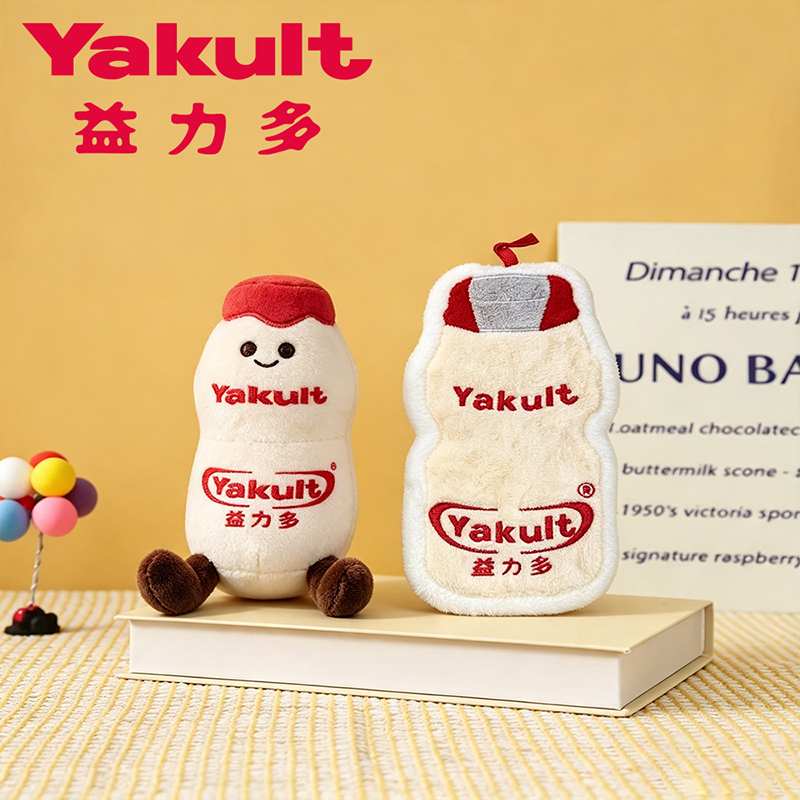
Client / Brand: Yakult (Hong Kong)
Region: Hong Kong (HK)
Industry / Sector: F&B / Global Beverage Brand
Custom Product: Branded Shape Plush Toy & Multi-Purpose Pillow
Professional Recognition: Times Gift successfully designed and manufactured custom shape plush toys and pillows for global beverage leader Yakult. Adhering strictly to international toy and textile safety standards (such as secure seam integrity, skin-friendly crystal velvet fabrics, and premium elastic down cotton filling), this project flawlessly translated iconic brand packaging into soft, huggable corporate merchandise. It serves as an exemplary case of combining brand identity with rigorous safety and quality control.
- Latest Posts
-
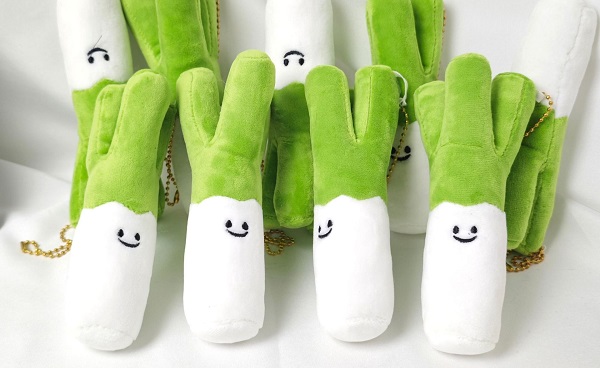
BSMI Compliance: The B2B Buyer's Checklist for Custom Mascot & School Plushies
2026-11-18 -
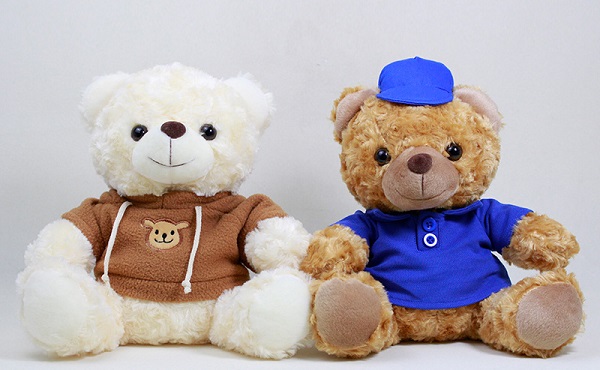
Crystal Velvet vs. Elastic Down Cotton: Choosing Fabrics, Fillings & Logo Finishes for Custom Plushies
2026-11-18 -
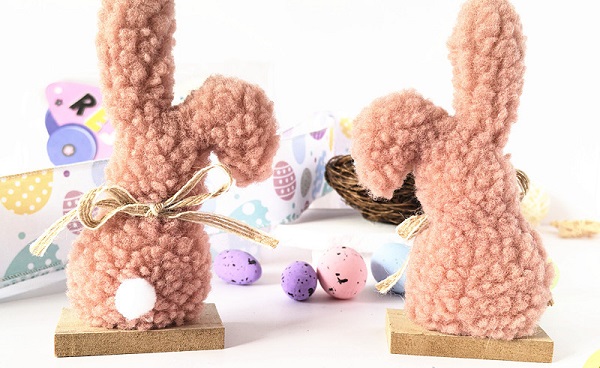
Custom Plushies Bulk Pricing & Low-MOQ Guide: 50 to 1,000 Units Explained
2026-11-18 -
Custom Banner Printing HK | Mesh, Matte Backdrop & Cheering Towels
2026-11-18 -
Custom Bear Blind Boxes & Branded IP Toy Figurines: 3D Modeling, PVC/Plush OEM & Packaging
2026-11-18 -
Custom Corporate Christmas Boxes & Boxing Day Promotional Gifts
2026-11-18